7 Free Reward Apps That Actually Pay (And What's Really Happening Behind the Scenes)
Most free reward apps promise easy money, but what's the real deal? We tested the top platforms and uncovered what they don't advertise upfront.
💸 Want to start earning online for free? No deposit, no risk.
Create Free Account →The Promise vs. Reality of Free Reward Apps
Scroll through any "make money online" forum, and you'll see the same question asked hundreds of times: "Which free reward apps actually pay out?" The promise is enticing—earn money from your phone during downtime, no skills required, no upfront investment.
But after testing dozens of platforms over the past few months, I've learned there's always more to the story. Some apps do deliver on their promises, while others... well, let's just say the devil is in the details.
Here are 7 legitimate free reward platforms that actually pay users, plus the important context you need to know before diving in.
1. Survey and Task-Based Apps
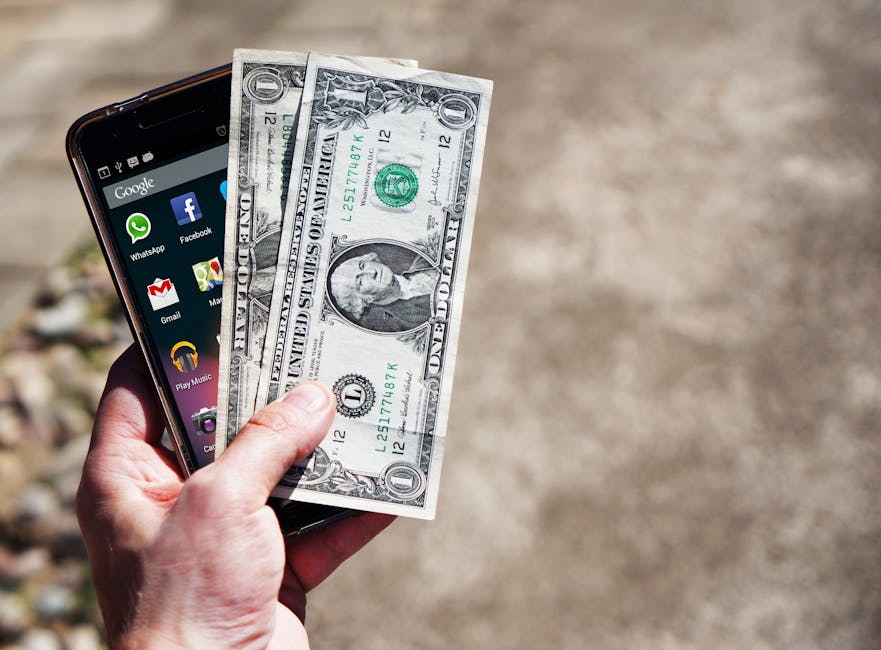
Photo by Pixabay on Pexels
The Promise: Complete surveys, watch videos, or test apps for cash rewards.
Popular Examples: Swagbucks, InboxDollars, UserTesting
What Actually Happens: These platforms do pay, but the hourly rate often works out to $2-5 per hour for most users. High-paying surveys ($10+) are rare and typically require specific demographics. The real money is in referrals—getting others to sign up under your link.
The Catch: Survey fatigue is real. After the initial novelty wears off, many users find the repetitive tasks mind-numbing. Plus, you'll often get screened out of surveys after answering 5-10 minutes of qualifying questions.
2. Cashback Shopping Apps
The Promise: Earn money back on purchases you're already making.
Popular Examples: Rakuten, Ibotta, Fetch Rewards
What Actually Happens: These work exactly as advertised—if you're already shopping online or at partnered retailers. Cashback rates typically range from 1-10% depending on the store and current promotions.
The Catch: The psychology is tricky. Many users end up spending more than they normally would, chasing higher cashback rates. A 5% return on an unnecessary $50 purchase isn't really "earning" money.
3. Gig Economy Apps

Photo by Tima Miroshnichenko on Pexels
The Promise: Turn your car, bike, or spare time into income.
Popular Examples: Uber, DoorDash, TaskRabbit
What Actually Happens: These can generate real income—$10-25+ per hour in many markets. The flexibility is genuine, and you can start earning immediately after approval.
The Catch: You're essentially buying yourself a job. Factor in vehicle wear, gas, insurance, and taxes, and the actual profit margins are thinner than they appear. Plus, no guaranteed income or benefits.
4. Social Casino and Gaming Rewards
The Promise: Play games, earn virtual currency, redeem for real rewards.
Popular Examples: TokenPlay, Lucktastic, various social casino apps
What Actually Happens: These platforms offer genuine entertainment value while building towards reward redemptions. TokenPlay, for instance, lets users play popular games like Plinko, Crash, and Slots to earn tokens that can be redeemed for various rewards—all without requiring any deposits.
The Catch: The rewards are typically gift cards or merchandise rather than direct cash. Also, these platforms make money through advertising and optional purchases, so expect to see ads between games.
5. Micro-Investment Apps with Rewards

Photo by Engin Akyurt on Pexels
The Promise: Round up purchases and invest spare change, plus earn bonuses.
Popular Examples: Acorns, Stash, Qapital
What Actually Happens: These apps do invest your money and offer occasional cash bonuses for referrals or hitting milestones. The round-up feature is surprisingly effective for building savings habits.
The Catch: Monthly fees can eat into small accounts. A $1-3 monthly fee on a $50 account is effectively a 24-72% annual fee. These work best for people who can maintain higher balances.
6. Content Creation Platforms
The Promise: Share content and earn from views, engagement, or creator funds.
Popular Examples: TikTok Creator Fund, YouTube Partner Program, Medium Partner Program
What Actually Happens: Top creators do earn significant income, but the barrier to meaningful earnings is much higher than advertised. Most users earn less than $20 in their first year.
The Catch: The algorithm is king. Going viral is largely luck-based, and consistent income requires treating content creation as a serious business, not a casual side hustle.
7. Passive Income Apps
The Promise: Install an app and earn money automatically by sharing unused internet bandwidth or data.
Popular Examples: Honeygain, PacketStream, Peer2Profit
What Actually Happens: These do pay small amounts (typically $5-30 per month) for truly passive income. No active work required once set up.
The Catch: Payout rates are low, and some users worry about privacy implications of sharing internet connection data. Always read terms carefully and research the company's data practices.
The Real Psychology Behind Free Reward Apps
Here's what most articles won't tell you: successful reward app users treat these platforms like entertainment with benefits, not serious income sources.
The apps that feel most sustainable are those that provide genuine entertainment value alongside rewards. That's why gaming-based platforms like TokenPlay have gained popularity—users enjoy playing Dice, Roulette, and other games regardless of rewards, so the token accumulation feels like a bonus rather than a grind.
Red Flags to Watch For
Avoid platforms that:
- Require upfront payments or "activation fees"
- Promise unrealistic earnings ("Make $500/day!")
- Have consistently negative reviews about non-payment
- Ask for sensitive information like Social Security numbers upfront
- Use aggressive countdown timers or pressure tactics
Making It Work: Realistic Expectations
If you're exploring reward apps as supplemental income, here's a realistic framework:
Tier 1 (Casual): 30 minutes daily = $20-50/month across multiple platforms
Tier 2 (Committed): 2 hours daily = $100-300/month with strategic platform selection
Tier 3 (Serious): 4+ hours daily = $300-800/month, but you're essentially working a part-time job
The most successful approach? Diversification. Use 3-5 different types of platforms to avoid burnout and maximize opportunities.
The Bottom Line
Free reward apps do pay—but they're businesses, not charities. Understanding their revenue models (advertising, data collection, premium upgrades, affiliate commissions) helps set realistic expectations.
The platforms that tend to feel most rewarding are those offering genuine value beyond just payments. Whether that's entertainment, useful services, or skill development, the best reward apps solve a real problem while providing benefits.
Ready to explore gaming-style rewards? Platforms like TokenPlay offer a fresh take on earning rewards through entertainment—play classic games like Plinko and Slots while building up tokens for redemption, all without any required deposits or hidden fees.
Remember: treat these as fun ways to earn small extras, not replacement income. With realistic expectations and strategic selection, reward apps can genuinely supplement your monthly budget while fitting into your existing routine.
Start earning today — it's 100% free
No credit card. No deposit. Play games, complete tasks, and earn tokens you can use in the store. Thousands of people are already doing it.
Free forever · Start in 30 seconds · No risk
Ready to earn while the economy is tough?
TokenPlay is the free way to play games and earn rewards online. No money needed — ever.
Create Your Free Account